 Darmstadt 98 Hub
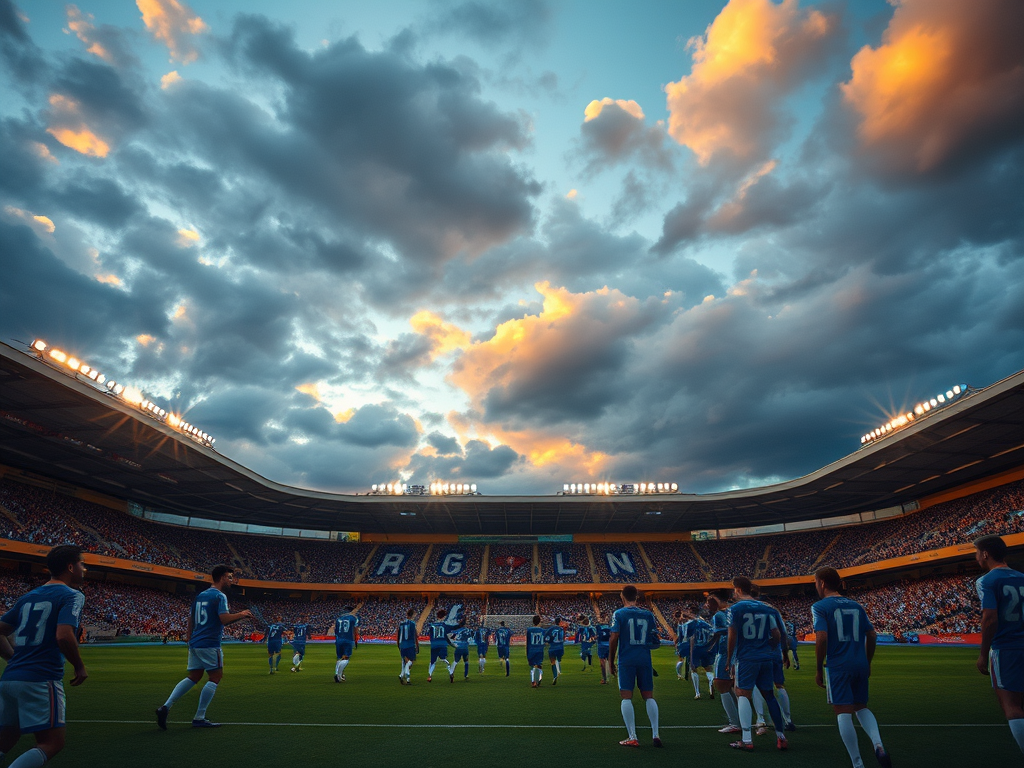
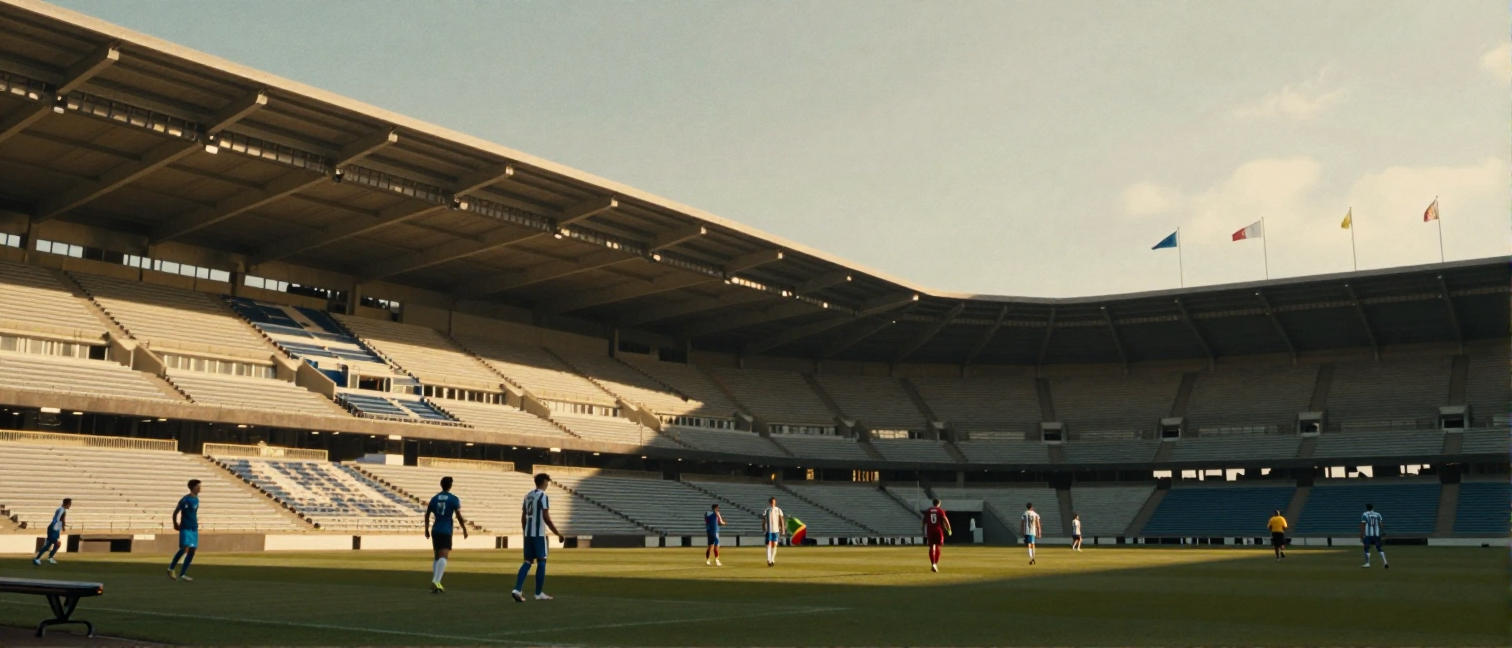
The 1980s were a decade of significant transformation for SV Darmstadt 98, a time when the club experienced the thrill of top-flight football and the agony of relegation. After achieving promotion to the Bundesliga in 1978, the expectations were high for Die Lilien, a club with a storied history and a passionate fan base. However, the realities of competing against Germany's elite sides soon became apparent.
In the early years of the decade, Darmstadt 98 struggled to find their footing in the Bundesliga. Despite the team's spirited efforts, they faced formidable opponents week after week. The likes of Bayern Munich, Hamburger SV, and Borussia Mönchengladbach showcased the stark difference in resources and talent, leaving Darmstadt often on the wrong end of the scoreline. Nevertheless, the club demonstrated resilience, with memorable performances such as their hard-fought draws and occasional victories against the giants of German football.
The highlight of this tumultuous period was undoubtedly the 1981-82 season when Darmstadt managed to finish in a respectable 12th place, showcasing a squad that could hold its own against the best. Players like goalkeeper Jürgen Rynio and forward Klaus Eberhardt became fan favorites, as they contributed significantly to the team's efforts. Their fighting spirit embodied the essence of Die Lilien, earning respect from rivals and supporters alike.
However, the optimism was short-lived. As the decade progressed, injuries, inconsistent performances, and financial difficulties began to take their toll. The club's administration struggled to maintain its competitive edge, leading to the sale of key players who had once been integral to their Bundesliga survival. By the end of the 1983-84 season, Darmstadt found themselves in the relegation zone, which ultimately culminated in their drop to the 2. Bundesliga.
The relegation was a bitter pill to swallow for the loyal fans of Darmstadt 98, who had hoped to establish themselves as a staple in the top tier of German football. The aftermath of this fall from grace saw the club grappling with its identity. The 1980s had begun with aspirations of greatness, but the reality was a sobering reminder of the challenges faced by smaller clubs in a football landscape increasingly dominated by wealthier teams.
Despite the setbacks, the 1980s also laid the groundwork for resilience and determination that would characterize future generations of players and fans. The hardships faced during this decade fostered a deep sense of loyalty among supporters, who rallied behind their team through thick and thin. This relationship between the club and its supporters became a defining feature of Darmstadt 98, ensuring that the spirit of Die Lilien would endure, regardless of the league they found themselves in.
As we reflect on this pivotal era in Darmstadt 98's history, it serves as a reminder of the club's remarkable journey. The rise and fall during the 1980s, filled with both hope and despair, shaped the foundation upon which the club would rebuild in the years to come. The lessons learned during this turbulent time continue to resonate, reminding us that while the road may be fraught with challenges, the heart of Die Lilien beats strong, fueled by the unwavering support of its fans.