 Darmstadt 98 Hub
In the late 1970s, Darmstadt 98 found themselves in a challenging phase, wrestling with fluctuating fortunes in the Regionalliga. However, the year 1978 became a defining moment in the club's history, paving the way for a transformation that would shape its identity for years to come.
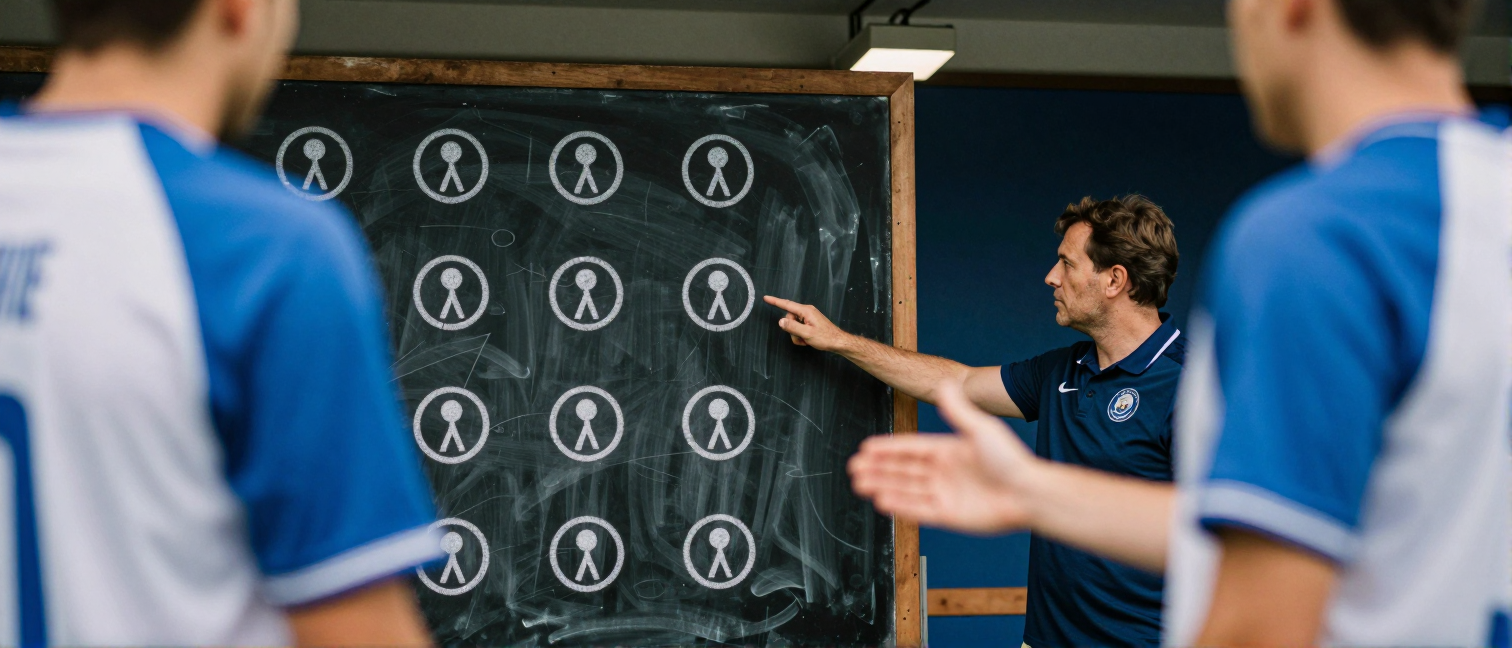
The season began with a sense of optimism as the club welcomed new management and a fresh roster of players, eager to prove themselves on the pitch. The tactical approach shifted, focusing not only on results but also on fostering a style of play that would excite the fans. Coach Heinz Höher, known for his innovative strategies, instilled a sense of belief and resilience that resonated with both players and supporters alike.
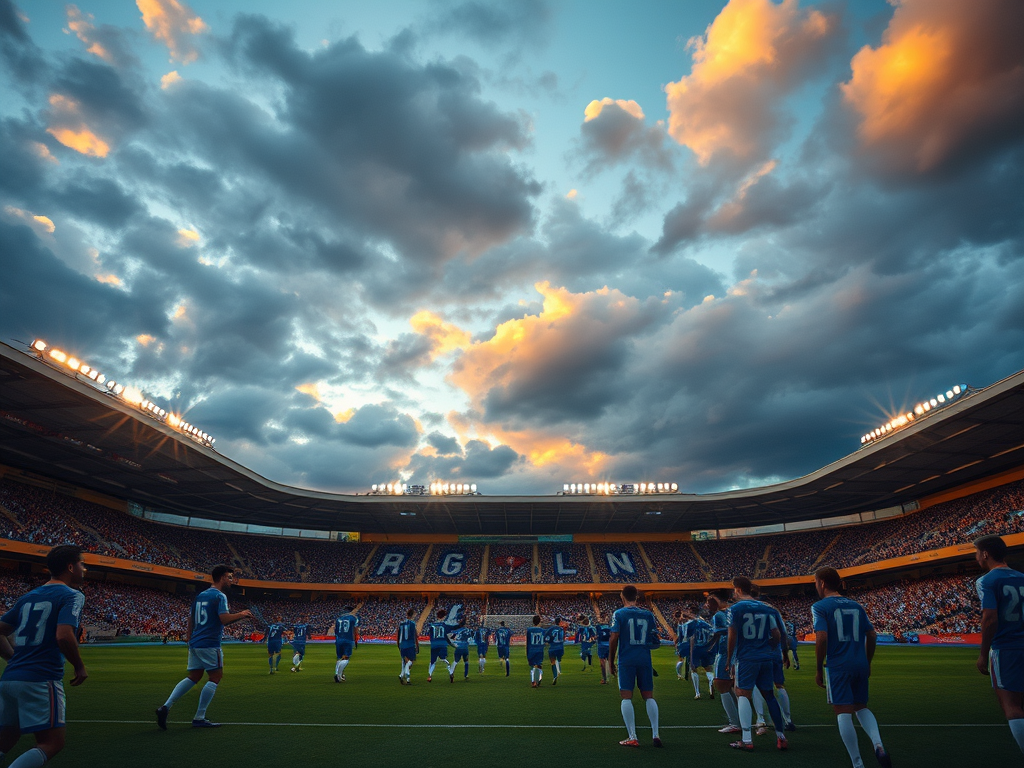
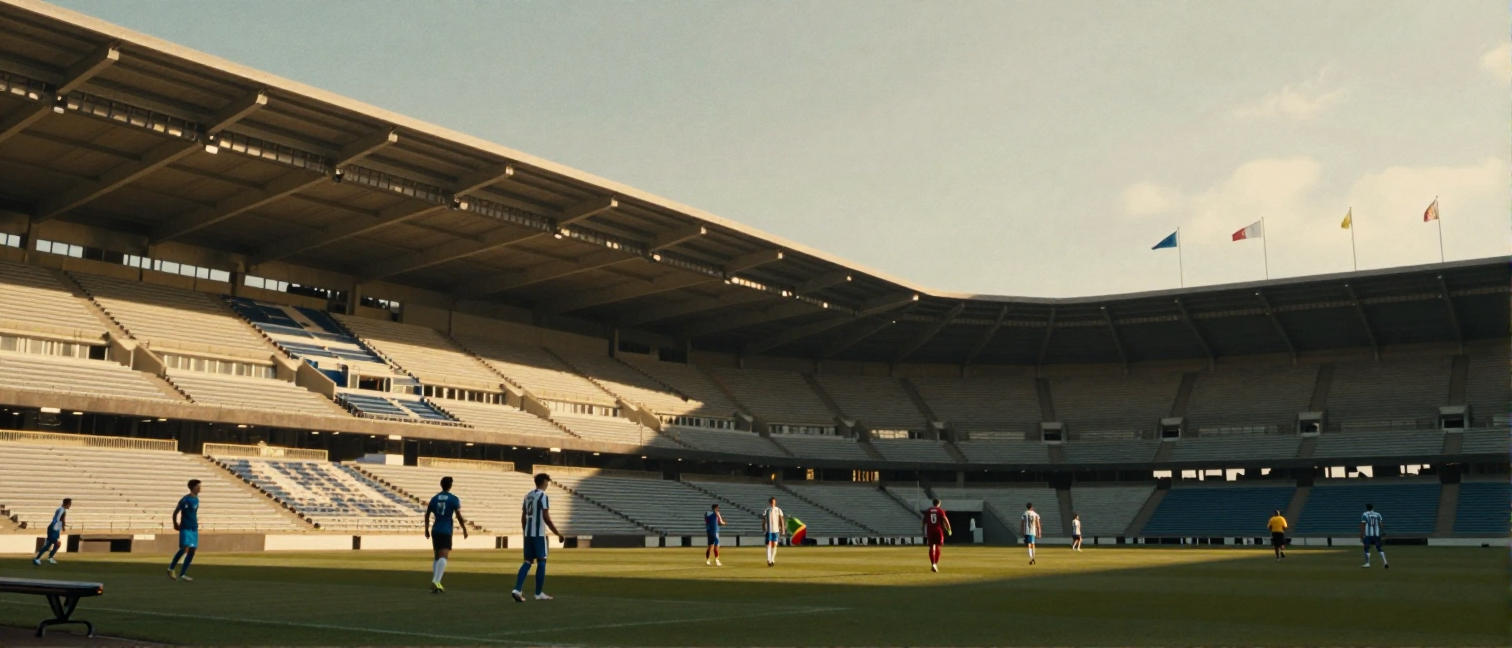
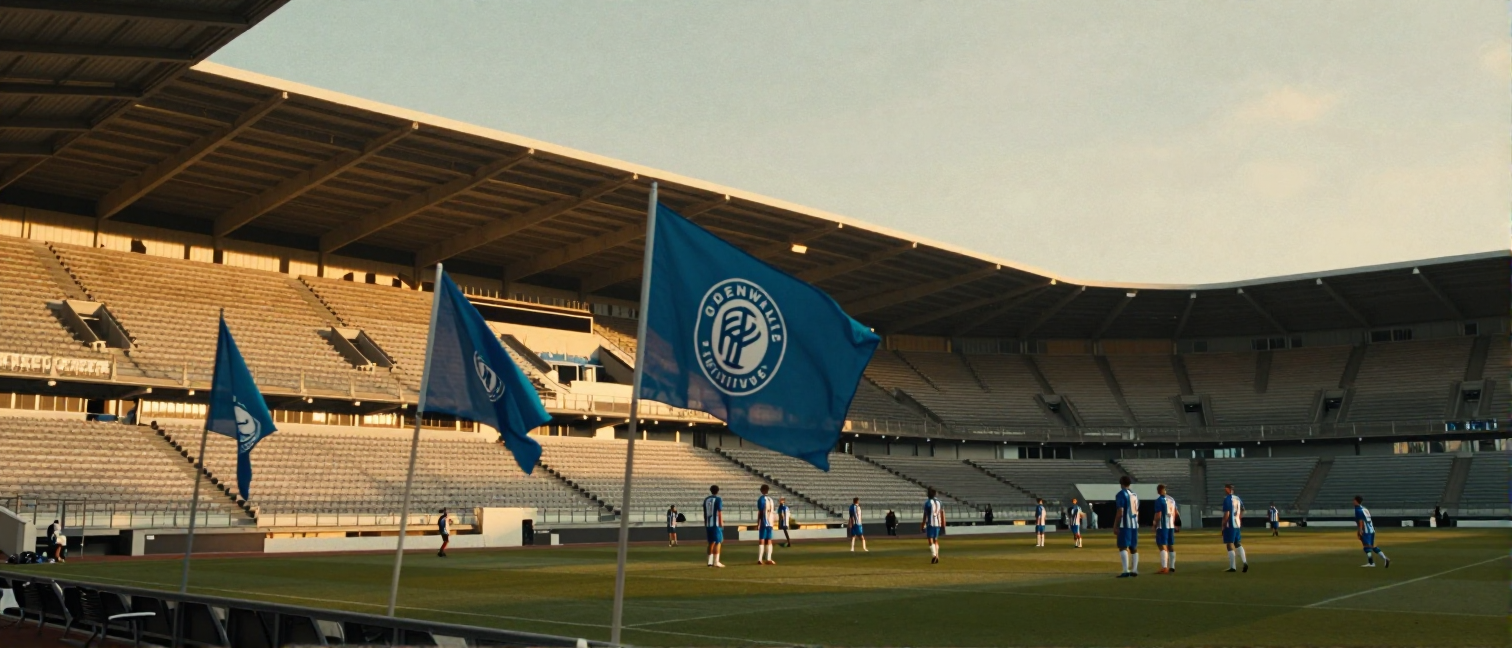
Darmstadt's performances throughout the season showcased an impressive blend of youthful exuberance and seasoned experience. Stars like Klaus Toppmöller and Jürgen Rober brought flair and creativity, captivating audiences at the Stadion. Each match turned into a festival, with Die Lilien's supporters filling the stands, their chants echoing through the streets of Darmstadt before and after each game.
One of the standout moments came in a dramatic encounter against local rivals SV Wehen Wiesbaden, a clash that held significant implications for both clubs. The atmosphere was electric, and the intensity on the pitch reflected the fierce rivalry. While the match ended in a hard-fought draw, it was the unity displayed by the team that left a lasting impression on the faithful fans.
As the season progressed, Darmstadt 98 began to climb the league table, positioning themselves as formidable contenders. The combination of strategic play and passionate support fostered a renewed sense of hope within the community. The players fought not just for victory, but for the pride of wearing the blue and white jersey.
By the end of the season, although Darmstadt 98 did not achieve promotion, the year 1978 was pivotal in setting the foundation for future successes. The club had begun to forge an identity characterized by resilience, tactical ingenuity, and a deep connection with its fans. The passionate displays on the pitch, coupled with the unwavering support from the stands, solidified Darmstadt's place in the hearts of the locals.
In retrospect, the events of 1978 served as a reminder of the cyclical nature of football, where struggles often precede triumphs. Darmstadt 98 emerged from this season not just as a football club, but as a symbol of community spirit and determination. The lessons learned and the bonds formed during this transformative year would resonate for decades, shaping the club's journey into the future.